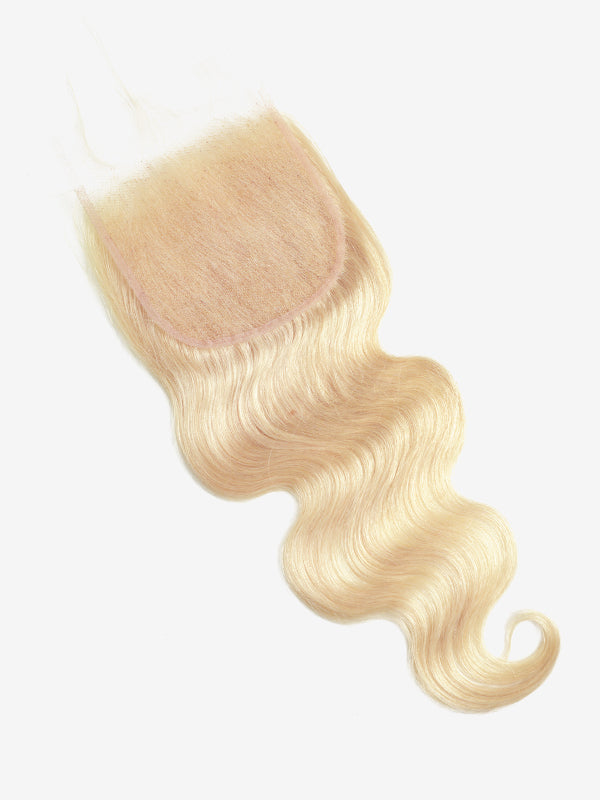
A natural-looking wig is about the details: a comfortable fit, a believable hairline, a part that suits your style, and hair that moves naturally. You do not need to over-style your wig to create a polished finish. Start with the foundation and make small adjustments until the look feels balanced.
Whether you are new to wigs or have been wearing them for years, a few simple techniques can make a noticeable difference. The right cap size, thoughtful placement, suitable styling products, and regular maintenance all contribute to a more realistic result.
If you want your wig to look and feel more like your own hair, here are eight practical tips to help you achieve a natural-looking finish.
1. Choose the Right Cap Size
A wig that is too tight or too loose can shift and affect the overall finish. A proper fit helps the wig sit securely and makes the hairline look more natural.
Before ordering, use the brand's sizing guide and measure your head carefully. Common measurements include head circumference, front to nape, and ear to ear.
Once you receive your wig, adjust the straps or elastic band according to the product instructions. The wig should feel secure without creating uncomfortable pressure.
Here are a few signs that your wig may not fit correctly:
-
It moves or slides when you turn your head.
-
The cap feels too tight around your hairline or temples.
-
The back of the wig does not sit comfortably at the nape.
-
The hairline looks uneven because the wig keeps shifting.
Choosing the correct size is an important first step toward a natural-looking wig.
2. Pay Attention to the Hairline
The hairline is one of the first details people notice when looking at a wig. A well-positioned, realistic-looking hairline can make a big difference to the final result.
Start by positioning the wig according to its design and your natural hairline. Avoid pulling it too far forward or too far back. Check both temples to make sure the wig sits evenly.
If your style includes lace, follow the product's installation instructions. Some lace-front wigs require trimming before installation, while others may come with pre-cut lace.
A few helpful reminders:
-
Follow the manufacturer's lace-trimming instructions.
-
Avoid cutting more lace than necessary.
-
Do not pull the lace tightly against your skin.
-
Check the hairline from different angles before finishing your installation.
If you are new to lace wigs, take your time. Small adjustments are often more effective than trying to make several changes at once.
3. Select a Part That Suits You
The part can change the overall appearance of your wig. A center part creates a balanced, classic look, while a side part can add softness and a different sense of volume.
Choose a part that works with the wig's construction and available parting space. Not every wig is designed to support every parting style, so check the product details before changing the original part.
For a neat finish:
-
Follow the parting space provided by the wig.
-
Use a comb to define the part gently.
-
Keep the part clean and even.
-
Use a small amount of suitable styling product to control flyaways if needed.
Avoid applying too much product around the part, as heavy buildup can make the hair look less natural.

4. Blend the Hairline Thoughtfully
Blending helps the wig look more integrated with your overall appearance. The right approach depends on whether you are wearing a lace-front wig or a glueless design.
For lace-front wigs, follow safe application guidance and choose products that are compatible with your skin and the wig. If you use adhesive, follow the product instructions and avoid applying it to irritated or broken skin.
For glueless wigs, use the built-in fit features as directed. Adjustable straps, elastic bands, and other design details can help the wig sit securely without traditional adhesive.
You can also pay attention to the area around your temples and sideburns. Make sure the wig is positioned evenly and that the hairline looks balanced on both sides.
If you are unsure about trimming lace or applying adhesive, consider asking an experienced stylist for help.
5. Match the Texture to Your Desired Finish
Choosing the right texture is another important part of achieving a natural-looking wig.
Different textures create different silhouettes and styling effects:
-
Straight: Creates a sleek, smooth appearance with a clean finish.
-
Body Wave: Adds soft movement and gentle volume.
-
Deep Wave: Creates defined waves with a fuller appearance.
-
Curly: Offers texture, dimension, and natural-looking volume.
Choose a texture that complements the look you want. For example, if you prefer a simple everyday style, straight or body wave hair may suit your preferences. If you love more volume and definition, deep wave or curly textures may be a better match.
Avoid excessive brushing on textured styles, as this can disrupt the curl or wave pattern. Use a suitable comb or your fingers to gently separate the hair when needed.
6. Avoid Using Too Much Product
It can be tempting to use several styling products to achieve a polished finish, but too much product can weigh the hair down and create visible buildup.
Heavy oils, gels, and sprays may affect the movement and appearance of your wig. Start with a small amount of a product suitable for the wig's hair type and add more only if necessary.
For a cleaner finish:
-
Use lightweight products when appropriate.
-
Apply products gradually rather than all at once.
-
Avoid applying excessive oil near the roots and part.
-
Follow the product's care instructions.
-
Remove buildup through proper washing when needed.
Remember that the goal is to enhance the hair's natural appearance, not cover it with layers of styling products.
7. Check the Look From Every Angle
A wig may look great from the front but appear different from the sides or back. Before finishing your styling, take a moment to check the entire look.
Use a handheld mirror or a second mirror to examine:
-
The front hairline and part.
-
Both temple areas.
-
The sides of the wig.
-
The back and nape.
-
The overall volume and shape.
Make sure the wig sits evenly and that the density and length feel balanced with your preferred style.
If something looks uneven, make small adjustments rather than repeatedly pulling or repositioning the wig. A comfortable, balanced fit is usually the best foundation for a natural-looking result.
8. Keep the Wig Clean and Well Cared For
Even a well-made wig can lose its polished appearance if it is not maintained properly. Product buildup, tangling, and dryness can affect the hair's texture and movement.
A simple care routine can help keep your wig looking its best:
-
Detangle gently, starting from the ends and working upward.
-
Wash the wig when needed, following its care instructions.
-
Use shampoo and conditioner suitable for the wig's hair type.
-
Avoid rough rubbing or pulling while washing.
-
Allow the wig to dry properly.
-
Store it carefully between wears to help reduce tangling.
Human hair wigs generally benefit from gentle washing, conditioning, and appropriate styling. Different textures may need different care routines, so always consider the product's specific recommendations.
For more detailed maintenance advice, explore our Wig Care Guide.

Final Thoughts
Making a wig look natural does not require complicated techniques or excessive styling products. The most convincing finish usually comes from a good fit, a well-positioned hairline, a suitable part, and thoughtful maintenance.
Start with the basics and make small adjustments as needed. Choose a wig construction that suits your experience and comfort preferences, and always follow the product's installation and care instructions.
Explore the LWIGS Glueless Wigs and Lace Front Wigs collections to discover styles designed for different installation preferences and looks. With the right wig and a little attention to detail, you can create a finish that feels comfortable, polished, and authentic to your personal style.
Frequently Asked Questions
1. Can every wig look natural?
A natural-looking result depends on the wig's fit, construction, hairline, styling, and care. Choosing a suitable design and positioning it correctly can help create a more realistic finish.
2. Should I cut the lace on a lace-front wig?
If the wig has lace that requires trimming, follow the product instructions and trim cautiously. Avoid cutting too much lace. If you are unsure, consider asking an experienced stylist for help.
3. How do I make my wig hairline look more natural?
Start by positioning the wig correctly and making sure it fits securely. If the wig has lace, follow the installation instructions and take care when trimming or applying adhesive. A realistic-looking hairline also depends on the wig's design and construction.
4. Does a glueless wig look as natural as a lace-front wig?
Both types can create a natural-looking result. The final appearance depends on the wig's hairline design, cap construction, fit, and styling. Some glueless wigs also feature lace-front designs.
5. How can I make my wig part look more realistic?
Use the parting space provided by the wig and keep the part neat. A suitable parting style, careful positioning, and minimal styling product can help create a cleaner finish.
6. Why does my wig look bulky or unnatural?
Possible reasons include an incorrect cap size, too much density for your preferred look, uneven positioning, excessive product, or a style that does not suit the wig's construction. Check the fit and make small styling adjustments.
7. How often should I wash my wig?
Washing frequency depends on how often you wear the wig, how much product you use, and the hair type. Follow the manufacturer's care instructions and wash when buildup or dirt begins to affect the hair's appearance.
Explore More from LWIGS
-
Shop the Wig Collection
-
Discover Human Hair Wigs
-
Explore Glueless Wigs